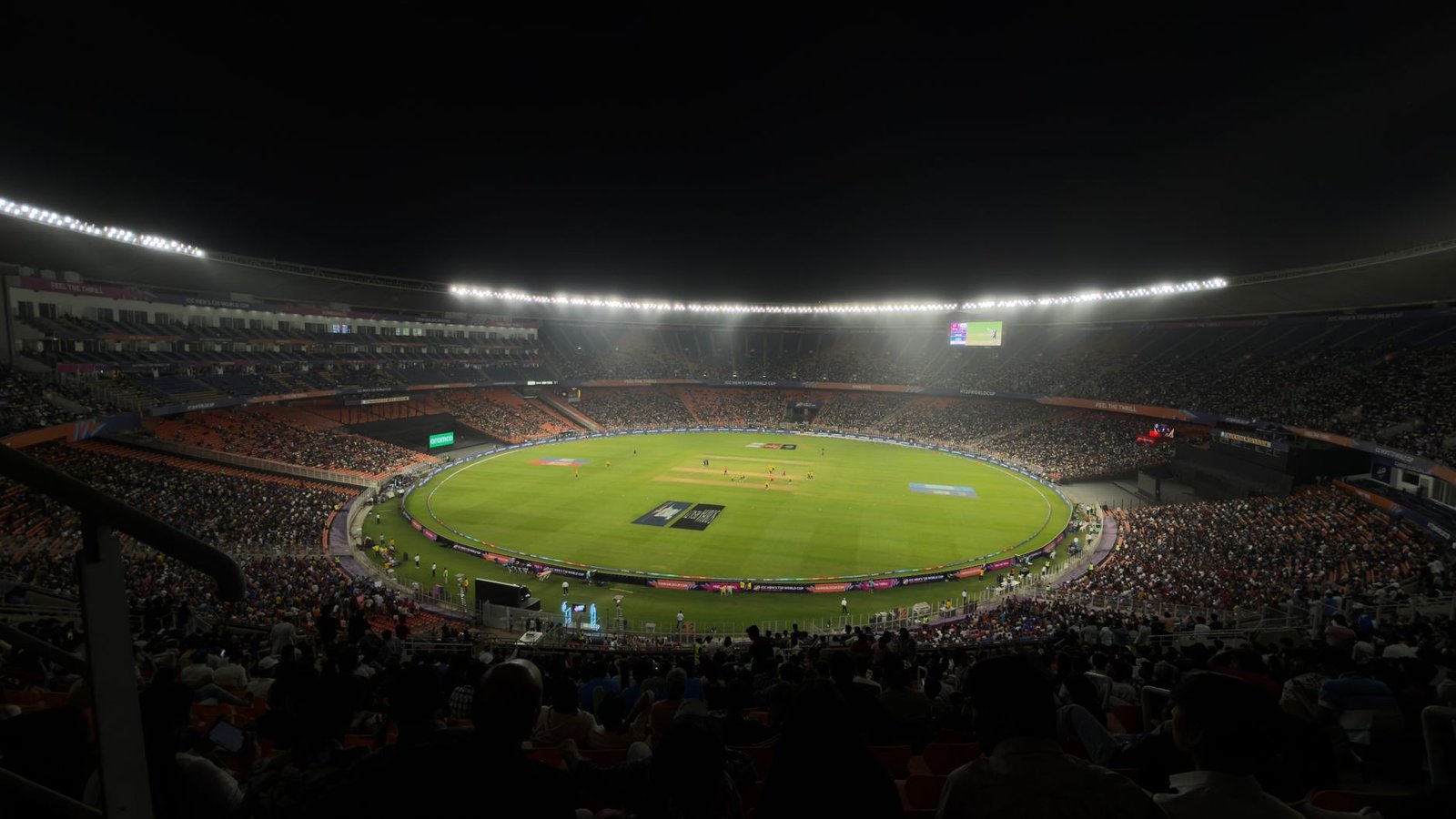
When India play Pakistan, two nations genuinely stop. Streets empty, offices switch on televisions, and more than a billion people share the same held breath over a single cricket ball. No contest in the sport — and few in all of sport — carries this weight. The India vs Pakistan cricket rivalry is not simply bat against ball; it is history, identity and old wounds compressed into a few hours of play. To understand why one ODI between them can feel bigger than an entire tournament, you have to go back long before the first run was ever scored.
A rivalry born from Partition
The story begins not on a pitch but on a map. In 1947, British India was split into two nations, and the trauma of Partition — mass migration, communal violence and families torn apart — created a fault line that cricket would later inherit. The two teams first met in a Test series in 1952, when Pakistan, barely five years old as a country, toured India. From the start, every match carried a meaning far heavier than the result on the scoreboard.
For decades, the games were shaped by the wider relationship between the countries. When relations froze after conflicts, cricket froze with them, and long gaps appeared with no fixtures at all. When diplomacy thawed, tours resumed and were treated almost like peace missions. This unique stop-start rhythm is part of what makes the rivalry so intense: fans never take a contest for granted, because they never know when the next one will come.
The moments that defined it
Great rivalries live through unforgettable moments, and this one has more than its share. The most famous came in Sharjah in 1986, in the Austral-Asia Cup final. Pakistan needed four off the final ball, and Javed Miandad hit Chetan Sharma for a six to win it — a shot that scarred a generation of Indian fans and became part of rivalry folklore for Pakistan.
India answered with their own iconic afternoons. At the 1996 World Cup quarter-final in Bangalore, a packed crowd watched India edge a tense chase, remembered forever for fast bowler Venkatesh Prasad’s fiery send-off of Aamer Sohail after the batsman had taunted him. Then came the 1999 Chennai Test, one of the finest Test matches between the two, which Pakistan won by a slender margin thanks to Saqlain Mushtaq — after which the Chennai crowd rose to applaud the visiting team on a lap of honour, a rare and beautiful reminder that respect lives alongside the intensity.
The World Cup streak that defied belief
Perhaps the most astonishing strand of this story is what happened on the sport’s biggest stage. For decades, Pakistan simply could not beat India at a World Cup. Match after match, tournament after tournament, India found a way — through a Sachin Tendulkar masterclass at Centurion in 2003, through disciplined bowling, or through sheer nerve under pressure.
The streak became almost mythical. India remained unbeaten against Pakistan in World Cup cricket for a run that stretched across generations of players and spanned both the fifty-over and Twenty20 formats. The psychological weight of that record became a story in itself: Pakistan arrived at each tournament carrying history, India carrying expectation. That spell was only broken at the 2021 T20 World Cup in Dubai, when Pakistan finally won — and won emphatically, by ten wickets. For their fans, it was catharsis decades in the making; for India’s, a shock that proved no streak lasts forever. If you enjoy these tournament-defining tales, the drama here rivals even the 1999 World Cup semi-final tie.
The pressure no other players face
It is hard to overstate the burden on the cricketers themselves. Players from both sides have spoken about sleepless nights before these matches and the knowledge that a single mistake can follow them for years. Heroes are made in an afternoon; villains too. A dropped catch or a loose over against the old rival can define a career in the public memory far more than a century against anyone else.
Yet amid the pressure, the respect between the players is real and often moving. Great batsmen and bowlers from each nation have praised their counterparts generously, and friendships formed on the circuit cut across the border. That tension — ferocious competition wrapped around genuine mutual admiration — is exactly what elevates this fixture above ordinary rivalries.
Why politics made cricket the only battlefield
The modern reality is that the two nations rarely play full bilateral series anymore. Political tensions have meant that, for years, they have met almost exclusively at neutral venues in multi-team events like the World Cup, the T20 World Cup and the Asia Cup. In a strange way, this scarcity has only intensified the appetite. Because the fixtures are so rare, each one is treated as a cup final, a once-in-a-generation release of all that stored emotion.
Cricket has become the one arena where India and Pakistan still meet face to face, a stage where decades of history play out through sport rather than conflict. That is why broadcasters build their entire tournament calendars around these matches, and why the India vs Pakistan cricket rivalry remains, by audience and by atmosphere, the most-watched contest the game has ever known — the kind of event that produces heroes to rank with those who shaped India’s 1983 World Cup triumph.
Watch the full story unfold
This rivalry is too vast for a scorecard — it is drama, heartbreak, redemption and history all at once. On the Cricket Chronicles YouTube channel, we bring the greatest India vs Pakistan clashes to life in full documentary style: the last-ball six in Sharjah, the World Cup streak that would not break, and the moments that made grown fans weep. If this story gripped you, come watch the complete saga unfold on the channel — subscribe and relive the matches that stopped two nations in their tracks.
Enjoyed this? More videos on the Cricket Chronicles YouTube channel.