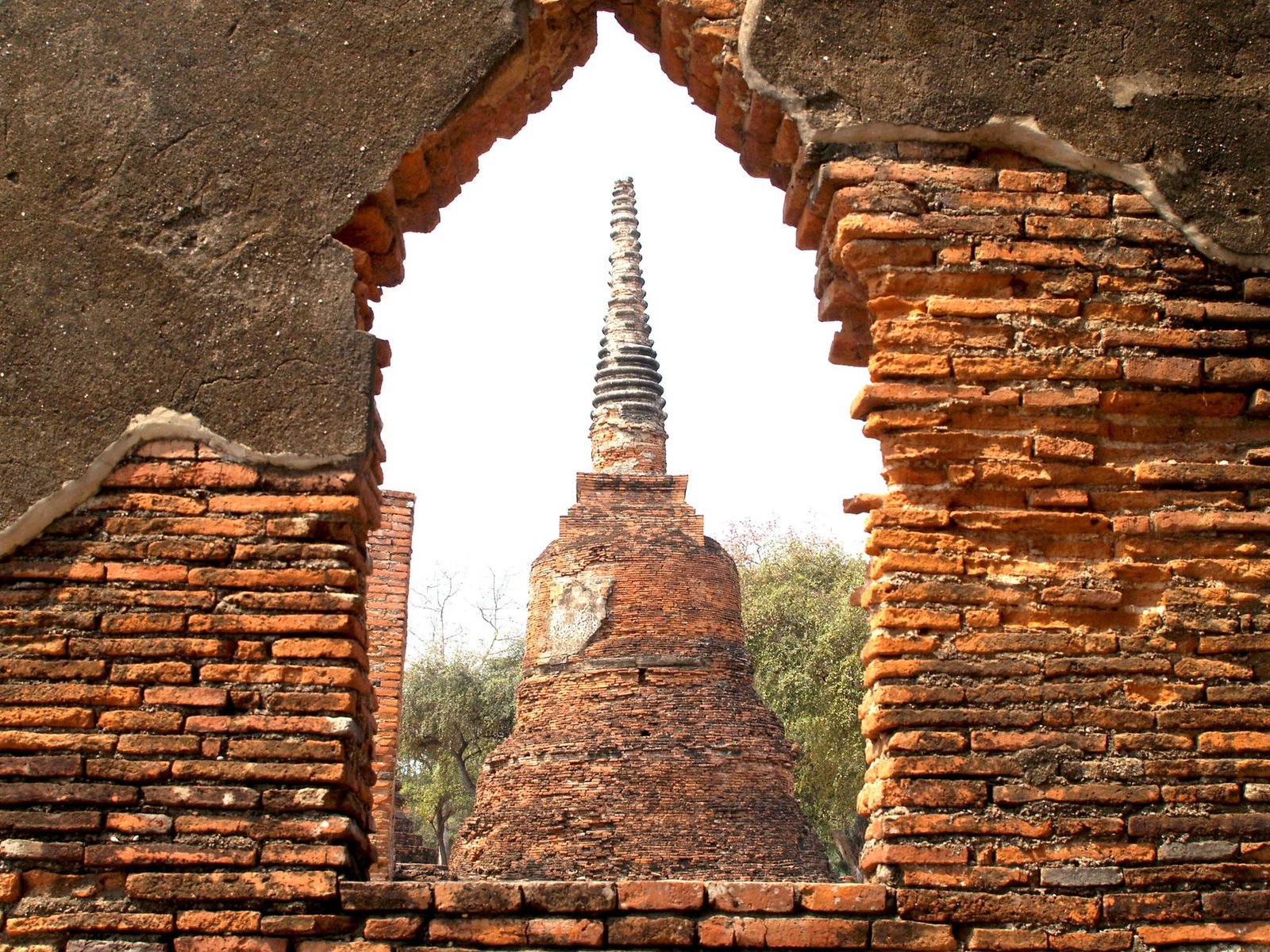
Imagine a civilization that built brick cities with grid-planned streets, covered sewers, and standardized weights more than 4,500 years ago — a society larger than ancient Egypt and Mesopotamia combined — and then imagine it quietly fading from memory so completely that the world forgot it ever existed until the 1920s. That is the puzzle of the Indus Valley civilization, also called the Harappan civilization. It left behind some of the most sophisticated urban planning of the Bronze Age, yet no royal tombs, no clear temples, and a script no one can read. So why did the Indus Valley civilization collapse — and why was it forgotten for so long?
A Civilization Hidden in Plain Sight
When British engineers laying railway track in the Punjab in the 1850s needed ballast, they helped themselves to ancient fired bricks scattered across a mound called Harappa. They had no idea they were dismantling the ruins of one of humanity’s first great urban cultures. It was not until the 1920s that excavations at Harappa and Mohenjo-daro revealed something astonishing: a network of cities spread across what is now Pakistan and northwest India, flourishing between roughly 2600 and 1900 BCE.
The scale was enormous. The civilization covered close to a million square kilometers, with major centers, ports like Lothal, and hundreds of smaller settlements. What stunned archaeologists was not just size but order — cities built on a near-identical plan, as if following a shared blueprint that stretched across an entire subcontinent.
Engineers Without Kings
The Harappans were brilliant practical engineers. Their cities used baked bricks made to a standard ratio. Streets met at right angles. Mohenjo-daro had a remarkable Great Bath, public wells, and private homes with bathrooms connected to covered drainage channels — plumbing that would not be matched in much of the world for thousands of years.
Yet here lies the first mystery. Where are the palaces? Where are the grand tombs of god-kings, the war monuments, the giant statues of rulers that dominate Egypt and Mesopotamia? The Indus cities show surprisingly little sign of kings, priests, or armies. There are no obvious throne rooms and almost no depictions of warfare. Some researchers suggest the Harappans were governed by merchant councils or a shared religious-economic system rather than a single warrior elite. A civilization this organized, with so little visible hierarchy, is genuinely unusual — and it makes their disappearance even harder to explain.
The Silent Script
Deepening the puzzle is the Indus script, found stamped on thousands of small seals, often beside carvings of bulls, unicorns, and other animals. Despite a century of effort, no one has deciphered it. The inscriptions are frustratingly short — typically just a handful of symbols — which makes statistical code-breaking extremely difficult.
Without readable writing, we have no king lists, no chronicles, no prayers, no contracts in their own words. We can map their cities and weigh their trade goods, but we cannot hear them speak. This silence is exactly why the question of why the Indus Valley civilization collapsed remains so open: the people who lived through it left us no testimony. It is a riddle in the same league as the Voynich Manuscript — a body of writing that stares back at us and refuses to give up its meaning.
Why Did the Indus Valley Civilization Collapse?
Around 1900 BCE, the great cities began to unravel. Drains went unrepaired, careful urban planning gave way to crowded, makeshift building, standardized weights fell out of use, and long-distance trade dried up. People drifted away from the metropolises toward smaller villages to the east. There was no single dramatic ending — more a slow draining of the qualities that had made the civilization remarkable.
The leading explanation today is climate change. The Harappans depended on monsoon-fed rivers and seasonal floods to water their crops. Studies of ancient sediment and climate records point to a centuries-long weakening of the summer monsoon and a drying trend across the region. As rains grew less reliable, the surplus that fed dense cities became impossible to sustain.
Closely tied to this is the fate of the rivers themselves. A major waterway — often identified with the legendary Sarasvati and linked to the now largely dry Ghaggar-Hakra riverbed — appears to have shifted course or dwindled. When the water that powered a city’s fields and trade vanishes, the city has little choice but to empty.
Burying an Old Myth: The Aryan Invasion
For decades, a dramatic theory dominated: that invading Indo-Aryan peoples swept in from the northwest and violently destroyed the Harappan cities. A handful of unburied skeletons at Mohenjo-daro were once read as massacre victims.
That interpretation has largely collapsed under scrutiny. Archaeologists found no evidence of widespread burning, mass battle casualties, or sacked fortifications. The scattered remains are better explained by later, casual burials than by slaughter. Most scholars now favor a gradual picture: as the climate shifted and cities became unviable, populations dispersed and migrated, blending with newcomers over centuries rather than being wiped out in a single catastrophe. The fall of the Indus Valley civilization looks less like a conquest and more like a slow-motion environmental and social transformation — a theme that echoes through other vanished societies, including the Bronze Age collapse that shook the ancient world a few centuries later.
See the Lost Cities Come Back to Life
The Harappans gave us indoor plumbing, urban planning, and a thriving trade network — then slipped out of history so completely that their own descendants forgot them. Their script is still silent, their rulers still faceless, and the precise mix of drought, shifting rivers, and migration that ended their world is still debated by researchers today.
If you want to walk the grid-planned streets of Mohenjo-daro, see the enigmatic seals up close, and follow the latest climate evidence about why this extraordinary culture faded, head over to our YouTube channel for the full visual story. Hit subscribe and join us as we bring one of history’s greatest forgotten civilizations back into the light.
Enjoyed this? More videos on the Mysteries of History YouTube channel.