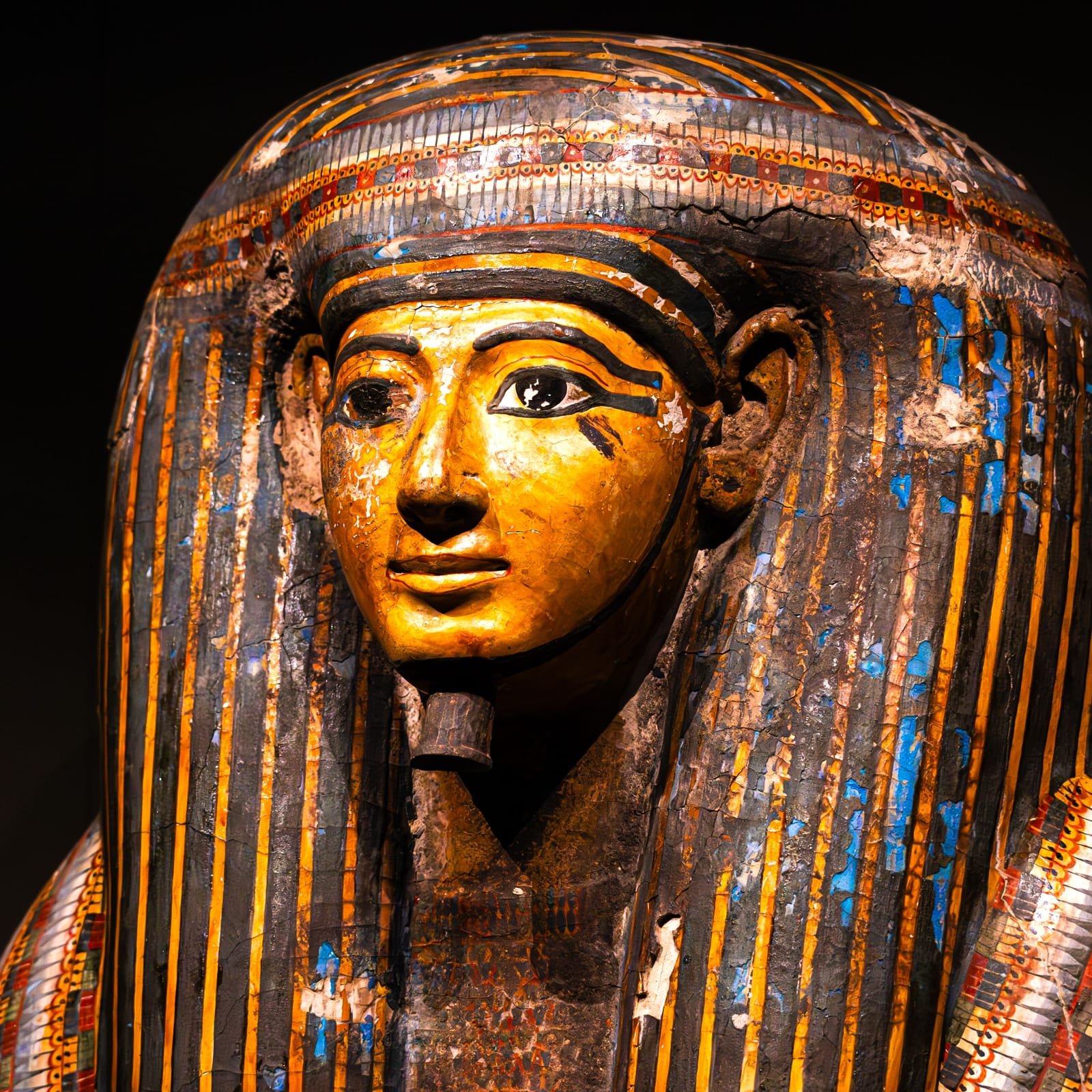
A sealed tomb, a millionaire, and a sudden death
On November 4th, 1922, British archaeologist Howard Carter unsealed the entrance to a tomb hidden under millennia of sand in Egypt’s Valley of the Kings. Inside lay the nearly untouched burial chamber of Tutankhamun, a teenage pharaoh who had died around 1323 BCE.
The discovery made world headlines. It also, according to the newspapers of the day, started a curse.
The deaths that built the legend
The most famous casualty was Lord Carnarvon — Carter’s wealthy backer — who died less than five months after the tomb was opened, in April 1923. The official cause was blood poisoning from an infected mosquito bite, but the press latched onto the timing. Over the next decade, journalists pinned at least a dozen deaths on “the mummy’s curse,” including:
- George Jay Gould, an American railroad heir who fell ill after visiting the tomb and died of pneumonia a year later.
- Aubrey Herbert, Carnarvon’s half-brother, who died from sepsis in 1923 following dental surgery.
- Sir Archibald Douglas Reid, the radiologist who x-rayed Tutankhamun’s mummy, dead within months.
The story had everything: ancient Egypt, hidden treasure, supernatural revenge. It sold newspapers around the world for years.
What the science actually says
Modern researchers have looked at the numbers carefully — and the curse mostly evaporates.
A 2002 study published in the BMJ tracked the lifespans of all 25 Westerners present at the tomb opening. Their average age at death was 70 — actually higher than the average British male life expectancy of the time. Howard Carter himself, who arguably spent more hours inside the tomb than anyone, lived another 17 years and died of lymphoma at 64.
That doesn’t mean ancient tombs are harmless. Modern microbiologists have identified species of mold inside sealed Egyptian tombs — including Aspergillus niger and Aspergillus flavus — that can cause serious lung disease, particularly in people with weakened immune systems. Lord Carnarvon was already in fragile health when he entered the tomb. The “curse,” if there was one, may have had a perfectly biological explanation.
Why the myth refuses to die
A century later, the curse of Tutankhamun is still one of the most searched stories in Egyptology. Part of it is the pull of a good narrative — a boy king, a sealed door, and a price paid by anyone who crosses the threshold. Part of it is that ancient Egypt itself was already obsessed with what happens after death: tomb inscriptions did, in fact, threaten intruders with the wrath of the gods.
The truth seems to be that the curse was largely a media invention layered onto a handful of unlucky coincidences and at least one genuine health hazard. But like the best mysteries, it leaves just enough unexplained to keep us coming back.
Enjoyed this? More videos on the Mysteries of History YouTube channel.